

Formulation Techniques We Use
Ophthalmic and injectable formulations built with the right technique for the molecule—optimized for target concentration, sterile filterability, particle size, and clean tech transfer.
Ophthalmic and injectable formulations built with the right technique for the molecule—optimized for target concentration, sterile filterability, particle size, and clean tech transfer.
Excipients set the what; the formulation technique determines the how—how it runs in manufacturing, holds up on stability, and performs in the clinic.
Technique selected for outcomes, not novelty—simple when possible, advanced when necessary.
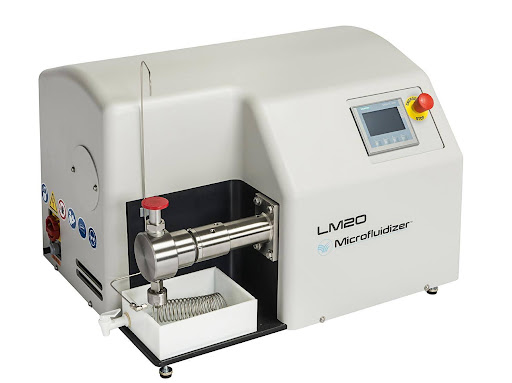
Applicable to highly crystalline APIs that need precise size control (e.g., polymeric micelles and liposomal).
Best for: tight PDI, tunable particle size.
We watch: shear and temperature, scalability, and particle properties
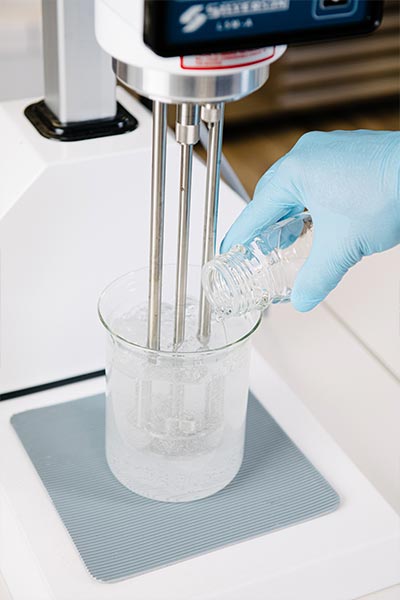
Simple and cost-effective high-energy mixing for uniform distribution of emulsions and nanoparticle systems.
Best for: emulsions, pre-mix for nanoparticle formulations, in particular polymeric and liposomal.
We watch: temperature, aeration, and shear-induced degradation.
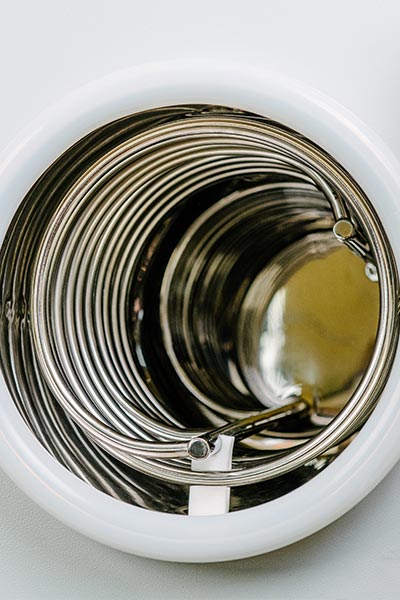
Solvent-based lyophilization to generate self-assembling micelle & polymeric nanoparticle formulations upon reconstitution; useful for hydrophobic APIs, and drugs with shelf-stability challenges.
Best for: high loading with optical clarity, improved stability/shipping.
We watch: residual water & solvents, cake morphology, reconstitution time, and particle properties.
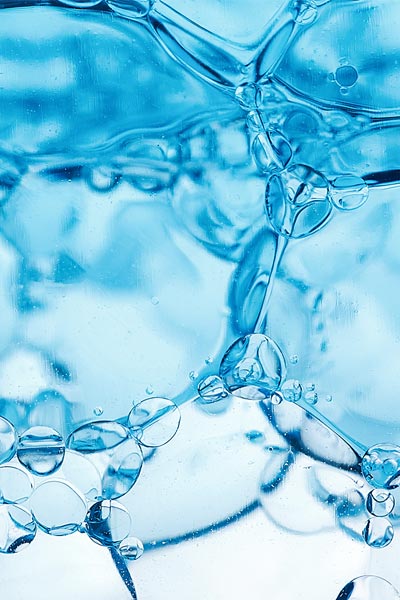
Uniform droplet formation via specialized mixing (including high-shear). Even dispersion for hydrophobic drugs; enables higher concentrations and improved pharmacokinetics.
Best for: ophthalmic (sub-micron) and injectable formulations within viscosity limitations.
We watch: uniformity, sterile filterability, and storage stability (e.g., Ostwald ripening).
Callan Pharma provides its partners rapid, comprehensive and cost-effective solutions for their difficult formulation development projects.

Callan Pharma Services, 3802 Spectrum Blvd, Suite 120, Tampa, Florida, 33612